








How to Build a Deck in Australia? Step-By-Step Process

Building a deck in Australia isn’t just a weekend woodworking project. It sits at the intersection of council rules, climate realities, material choices, and a fair bit of patience. If done well, a deck becomes part of how a house actually gets used – barbecues, kids running in and out, muddy boots, quiet mornings with a coffee.
This guide walks through the process step by step, the way it’s usually done on the ground. Not every deck is identical, and some variation is normal depending on where you live, the soil you’re dealing with, and how much of the work you plan to do yourself.
Step 1: Planning Comes First (and Takes Longer Than You Think)
Most deck issues don’t start with bad timber. They start with rushed planning. Before touching a shovel, you need clarity on three things:
- Size and layout
- Height off the ground
- Purpose of the deck
A low, ground-level deck is simpler. A raised deck attached to the house is a different story. The higher it sits, the more likely you’ll need engineering details, balustrades, and approvals.
You’ll also want to think about how people will actually move through the space. Doors, steps, existing paths, drainage points. In most cases, it’s easier to adjust the deck design now than after posts are in the ground.
Also Read – Timber Decking vs Composite Decking: Which is Better Option?
Step 2: Check Council Rules and Australian Standards
This step gets skipped more often than it should. In Australia, deck regulations vary by council, but some patterns are consistent:
- Decks over a certain height (often 600mm–1m) usually require approval.
- Decks attached to the house often need permits.
- Balustrades are mandatory above specific heights.
- Footings must comply with Australian Standards (AS 2870, AS 1684).
You might notice neighbours with decks that don’t seem compliant. That doesn’t mean yours can be built the same way.
A quick call or online search of your local council can save months of headaches later.
Also Read – Engineered Flooring Underfloor Heating: Do’s, Dont’s & Best Materials
Step 3: Choose Materials That Suit Australian Conditions
Australian weather is tough on decks. UV, heat, rain, termites, sometimes all in the same week.
Common decking options:
- Treated pine (H3 or H4): Affordable, easy to work with, but needs ongoing maintenance.
- Hardwoods (Merbau, Spotted Gum, Blackbutt): Durable, stable, heavier, and less forgiving to install.
- Composite decking: Low maintenance, consistent, but can get hot underfoot and costs more upfront.
Substructure timber matters just as much as surface boards. Bearers and joists must be rated correctly for ground contact and exposure. Cut corners here and the deck will show it within a few years.
Also Read – Treated Pine Decking: Is it Worth it? Pros, Cons & Maintenance Tips
Step 4: Set Out and Prepare the Ground
This is the unglamorous part but it’s also where accuracy matters most. Start by marking out the deck perimeter using string lines and stakes. Check for square, measure diagonally, not just side to side.
Ground preparation usually involves:
- Removing vegetation and organic matter.
- Levelling where possible.
- Allowing for drainage away from the house.
If you’re working on a slope, expect more excavation and deeper footings.
Step 5: Install Footings and Posts
Footings carry the entire load of the deck, so, there is no shortcut here. Most decks use concrete footings with galvanised stirrups. The depth and spacing depend on:
- Deck height
- Soil type
- Load requirements
In reactive clay areas (common across Australia), deeper footings help prevent movement over time.
Allow concrete to cure properly. Rushing this step causes alignment issues that are frustrating to fix later.
Also Read – What is Composite Decking Made of?
Step 6: Build the Subframe (Bearers and Joists)
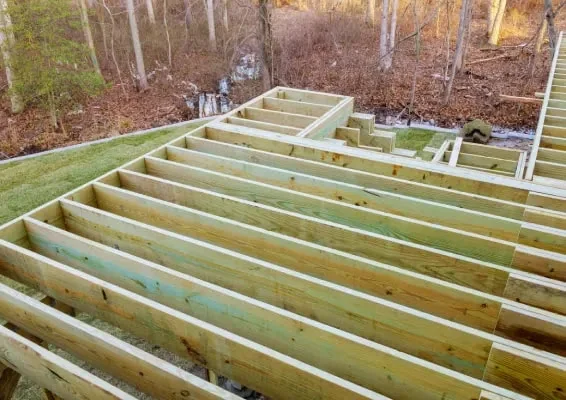
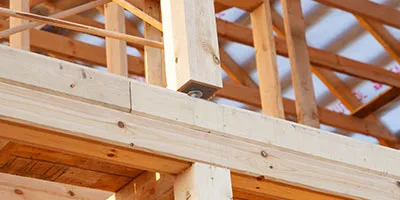
Once posts are secure, bearers are fixed on top or alongside them. Joists then run perpendicular to the bearers. Here, pacing matters. If they are too wide, boards will flex and if too tight, you’re wasting timber.
Typical joist spacing:
- 450mm centres for standard decking boards
- 300mm centres for thinner or composite boards
Check levels constantly. You’ll notice small discrepancies add up fast, so be sure to check and adjust as you go. This is also when termite barriers, flashing against the house, and drainage gaps should be installed.
Step 7: Lay the Decking Boards
This is the part everyone looks forward to. Boards are usually laid with a slight gap between them to allow for expansion, drainage, and debris. In humid areas, that gap matters more than people expect.
A few practical tips:
- Pre-drill hardwood boards to avoid splitting.
- Stagger joins for strength and appearance.
- Keep board direction consistent.
Expect some boards to be imperfect as timber is a natural product and minor variation is normal.
Step 8: Install Steps, Handrails, and Balustrades
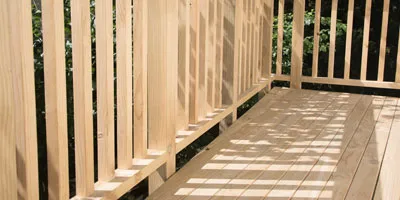
If your deck is raised, safety features aren’t optional. Balustrade height, spacing, and strength are regulated. Glass, timber, and metal systems all have different fixing requirements.
Steps should be:
- Even in height.
- Wide enough for comfortable use.
- Properly supported underneath.
Poorly built stairs are one of the most common deck complaints and one of the easiest to avoid with careful measurement.
Step 9: Sanding, Sealing, and Finishing
Bare timber won’t last long in the Australian sun. Once the deck is complete:
- Lightly sand sharp edges and joins.
- Clean the surface thoroughly.
- Apply an appropriate oil or sealer.
Some people prefer a natural grey weathered look. That’s fine, but understand it still needs protection underneath. In most cases, oiling once or twice a year keeps timber stable and reduces cracking.
Also Read – Why Does Choosing The Right Composite Decking Matter?
Step 10: Ongoing Maintenance (The Part People Forget)
A deck isn’t “set and forget.” Over time, you’ll need to:
- Re-oil or reseal the deck from time to time.
- Tighten the fixings.
- Replace the occasional board.
- Keep drainage paths clear.
The good news is that regular small jobs prevent big repairs later.
Final Thoughts
Building a deck in Australia is manageable if you respect the process. It’s not about rushing to the finished photo. It’s about footings that don’t move, timber that suits the climate, and layouts that actually work for how people live.
If you’re unsure at any stage, approvals, structural spans, or fixing details, that’s usually the point where a licensed builder or carpenter earns their keep. Also, behind every successful decking project is quality timber and that’s what we supply. With us, shop for premium quality timber and build a deck that stands strong for decades to come.