










Engineered Flooring Underfloor Heating: Do’s, Don’ts & Best Materials

Underfloor heating has grown steadily in Australian homes. Engineered flooring is considered one of the best kinds if you’re seeking for options that pair well with the underfloor heating. Although it delivers the sought comfort and consistent warmth, there are a few things one must know before installations. This guide explains practical actions, simple precautions and the materials that tend to perform most reliably under consistent heat.
Benefits of Using Engineered Flooring With Underfloor Heating
There are several benefits of opting for engineered floorings when compared to traditional timber. These do not warp, twist or even swell. Moreover, the layered build gives it a steady feel, and the surface still holds the warmth and character many people look for in timber. You might notice a few clear advantages when the two work together:
- Inner layers keep the floor stable as temperatures shift through the day
- Boards suit almost any level in the home, even lower-ground areas
- Finish often feels more refined than laminate while sitting at a friendlier price point than solid planks
- Structure handles daily use well and maintains its form for many years
Also Read – Everything You Need To Know About Engineered Timber Floors
Do’s of Installing Engineered Timber For Flooring With Underfloor Heating
Although engineered floorings work well with underfloor heating systems, there are a few things one must ensure before choosing these.
Find the Right Type of Flooring
Pick engineered boards with a cross-ply or multi-layer core. This design keeps the timber steady as temperatures rise and cool slowly during the day. You must aim for a sensible total thickness, widely accepted ones being around 14–15 mm in with a 3–4 mm wear layer. It enables the system to push heat through without resistance. Also, keep plank widths moderate and select a wear layer that gives a solid lifespan while still allowing heat to move freely.
Also Read – What is Engineered Timber Flooring?
Verify The Manufacturer’s UFH Rating
Every dealer must show clear approval for underfloor heating. This rating outlines surface temperature limits and thermal behaviour. Confirm these details before placing an order, as the manufacturer’s guidance ensures the timber stays within safe operating conditions. You must also retain the documents for both warranty reference and installation planning.
Check With The Supplier Regarding The Wood
Different wood species can react in unique ways when warmed, making supplier insight valuable. So, when buying engineering boards ask about the board’s structure, finish and any treatment that influences heat transfer. Confirm acclimation advice and moisture requirements so the flooring settles properly. A brief conversation at this stage often prevents issues later.
Also Read – Treated Pine Decking: Is It Worth It?
Opt for Professional Installation
There are numerous things to keep in mind during installation of engineered flooring. These include:
- Ensuring the screed/sub-floor is sufficiently dry (often < 65% RH or as specified)
- Leaving an expansion gap around room edges and around any fixed obstruction
- Choosing correct installation method (floating, glued or secret nailed)
- Selecting adhesives with low thermal resistance (low Tog value)
Only a trained installer understands how radiant systems interact with engineered boards. They measure slab moisture, choose suitable adhesives and set the correct ramp-up process. Their method ensures the floor bonds well, stays level and warms at a steady pace. This careful setup helps the timber adapt to the system with minimal stress.
Maintain Consistent Ambient Temperature And Humidity
Engineered boards sit best in a stable indoor climate. Balanced humidity and gentle temperature shifts let the layers hold their shape. Simple adjustments to household settings help the timber remain steady and avoid unnecessary expansion or shrinkage throughout the seasons.
Don’ts Of Using Engineered Flooring With Underfloor Heating
Avoiding these mistakes protects both the heating system and the flooring. Steering clear of them reduces the risk of surface changes and keeps the floor feeling firm underfoot.
Don’t Go For Overly Thick Boards
Heavy planks block heat and slow response times. Excess thickness can also create uneven temperatures across the room. Therefore, always choose a balanced depth so the warmth rises smoothly and the flooring stays stable.
Don’t Cover Newly Heated Floors With Heavy Rugs
Dense rugs hold heat and create warmer patches that place strain on the timber. Allow the heating system to run freely during the early period so the floor adjusts evenly. Lighter coverings designed for heated floors work better once the surface finds its rhythm.
Don’t Let Significant Humidity Changes Indoors
Large humidity shifts cause boards to move more than expected. Keep indoor conditions steady throughout the year so the flooring maintains its shape. Small adjustments to ventilation or climate control help the surface age gracefully and remain stable.
Best Engineered Flooring For Underfloor Heating
The type of engineered boards can also determine the heating efficiency. Therefore, conduct a thorough research when choosing these. You can talk to retailers or your family members if anyone has chosen the same.
European Oak
European oak is widely preferred for radiant systems due to its controlled movement and dependable grain structure. Engineered versions combine this natural stability with a layered core that responds well to slow temperature changes. This blend supports steady heat flow and keeps the surface even throughout daily cycles.
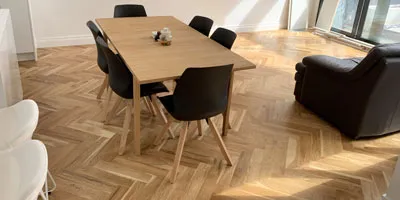
Parquet or Chevron Oak
Parquet and chevron boards use smaller pieces that move less under heat. These patterns distribute tension and create a secure base when glued down. Their size also encourages strong adhesion, helping warmth pass through quickly and evenly.
Ash
Ash brings a lighter tone and manages heat with reasonable stability. When paired with a quality core and installed with the correct bonding method, ash responds well to gentle temperature shifts. Its structure stays calm when the heating cycles rise and fall throughout the day.
Concluding Words
Clear guidance at the outset makes choosing and installing heated timber floors far simpler. Understanding board structure, indoor climate needs and supplier recommendations helps the system settle in smoothly and operate reliably through the seasons.
At Greenhill Timbers, we support homeowners, builders and designers across Melbourne with premium timber suited to a wide range of projects. Our team guides clients through selection, preparation and installation planning, ensuring each board matches the space and its conditions. Reach out to discuss your flooring goals and receive advice tailored to your home or project.