



Ironbark Timber Guide: Melbourne’s Ultimate Hardwood for 2026

Building with anything less than a Class 1 durability rating in Victoria’s unpredictable climate is a gamble that approximately 35% of homeowners eventually lose to rot or termites within the first decade. You’ve likely seen the results; a once-stunning deck softening and warping after only a few damp Melbourne winters. You want a home that reflects a high-end aesthetic while standing firm against the elements. We know that meeting strict BAL-29 or BAL-40 bushfire regulations isn’t just a legal checkbox; it’s about securing your investment with materials that won’t fail. Selecting ironbark for your Thomastown project means you’re investing in a legacy that’s as resilient as the Australian landscape itself.
This guide reveals why this legendary hardwood remains Australia’s premier choice for sheer strength and refined character. You’ll learn how to secure a deck or floor designed to last 40 plus years while maintaining its rich grains and honeyed tones. We’ll cover everything from technical load-bearing specs to the specific installation nuances required for the Victorian climate. It’s time to elevate your build with a material that balances rugged reliability with a sophisticated, architectural finish.
Key Takeaways
- Discover why a Durability Class 1 rating and superior Janka hardness ranking ensure your build remains robust and resilient for over four decades.
- Explore the sensory journey of ironbark, from its intricate interlocking grain patterns to the way its rich palette deepens under the Australian sun.
- Gain practical insights into working with high-density hardwoods, including critical pre-drilling steps and meeting stringent Bushfire Attack Level (BAL) requirements.
- Learn how to access ethically sourced, premium-grade timber and bespoke milling services tailored for your unique architectural vision in Thomastown.
Understanding Ironbark: Australia’s Premier ‘Indestructible’ Hardwood
Ironbark isn’t just a name; it’s a literal description of a timber so dense it often sinks in water. These elite Eucalyptus species earned their reputation through a unique, deeply furrowed bark that resists fire and physical impact. For over 160 years, this timber has been the backbone of Victorian engineering. You’ll still find original ironbark piles supporting wharves in the Port of Melbourne and heavy-duty bridges across the Yarra River, some dating back to the late 1800s. It’s a material that defies decay and stands as a testament to the ruggedness of the Australian landscape.
Grey vs. Red Ironbark: Identifying the Differences
Choosing between Grey Ironbark (Eucalyptus paniculata) and Red Ironbark (Eucalyptus sideroxylon) depends on your project’s aesthetic and load requirements. Grey Ironbark offers a sophisticated palette of honey, nut-brown, and soft olive tones. It’s the preferred choice for heavy structural beams in Melbourne warehouse conversions due to its immense strength and Class 1 durability rating. Red Ironbark delivers a dramatic visual impact with deep plum, chocolate, and dark crimson hues. While both are incredibly hard, Red Ironbark is a frequent favorite for high-traffic flooring where its tight grain resists indentation from heels and furniture. Most of our premium stock reaches Melbourne through certified supply chains from sustainably managed forests in Northern New South Wales.
The Botanical Strength of the Eucalyptus Genus
The secret to this timber’s longevity lies in its glacial growth rate. In the harsh Australian climate, ironbark trees grow slowly, packing fibers tightly to create a heartwood density often exceeding 1,100 kg/m³. This density is bolstered by ‘kino’, a thick red sap that permeates the wood cells. This natural resin acts as a built-in preservative, repelling termites and preventing fungal rot from the inside out.
- Density: Typically 1,100 to 1,200 kg/m³, making it one of the heaviest timbers available.
- Durability: Rated Class 1, providing a service life of over 40 years in ground contact.
- Fire Resistance: Naturally meets BAL 29 requirements without additional chemical treatment.
Choosing Australian-grown timber in 2026 is a responsible decision for the environment. It’s a renewable resource that stores carbon for decades. Because it lasts significantly longer than softer hardwoods, you’re building for generations, not just seasons. It’s a sustainable investment that brings the raw, resilient beauty of the bush into the modern architectural home.
Unmatched Durability: The Technical Superiority of Ironbark Timber
Ironbark isn’t just a name; it’s a literal description of this timber’s rugged exterior and internal fortitude. Historically, Australian shipbuilders in the 1800s utilized this species for “bug shoes,” which were protective layers attached to the hulls of wooden ships to repel destructive marine worms. This legacy of extreme resilience translates perfectly to the modern Melbourne home. Whether you’re facing the scorching summer sun or the damp winters of the Yarra Valley, this timber remains steadfast where others might falter. It’s the ultimate choice for those who view their home as a multi-generational investment.
Janka Ratings and Density Explained
Technical performance begins with the Janka Hardness Scale, a measure of a timber’s resistance to wear and indentation. Ironbark commands an impressive rating of approximately 14kN, significantly outperforming other popular Australian hardwoods like Spotted Gum (11kN) and Jarrah (8.5kN). For context, common softwoods like Radiata Pine sit at a mere 3.3kN. This immense density is why architects specify it for high-traffic commercial flooring in the Melbourne CBD, as it resists the scuffs of thousands of daily commuters. If you’re undertaking a structural renovation in Thomastown, keep in mind that this density brings weight. With a seasoned density of roughly 1,120 kg/m³, your transport and load-bearing calculations must account for its substantial mass.
Natural Decay Resistance and Termite Protection
Victorian homeowners face constant pressure from local pests and the elements, making durability ratings a primary concern. Ironbark carries a Durability Class 1 rating, the highest possible tier in Australia. This designation signifies a life expectancy of over 40 years for above-ground applications and 25 years for in-ground use. Its success stems from a unique chemical composition that makes the wood fibers unappetizing to termites and lyctid borers. Choosing this species offers several advantages:
- Reduced Chemical Exposure: Its natural toxicity to pests eliminates the need for aggressive pressure treatments.
- Long-term Savings: While the upfront cost may be 15% higher than Class 2 timbers, the 50-year lifecycle costs are significantly lower due to minimal repairs.
- Structural Integrity: It maintains its shape and strength in harsh conditions, preventing the sagging often seen in lesser materials.
The timber’s tight grain and high oil content serve as a natural sealant against moisture. You can view our premium ironbark selection to find the perfect match for your next heavy-duty outdoor project. It’s a robust material that bridges the gap between raw natural power and refined architectural elegance.
Aesthetic Appeal: Designing with Ironbark in Modern Melbourne Homes
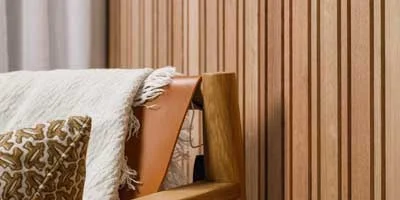
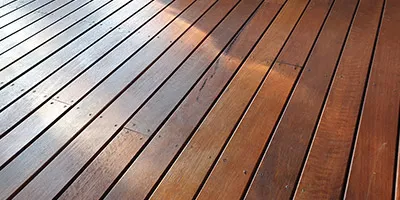
Choosing ironbark isn’t just a structural decision; it’s a commitment to a specific visual narrative. The timber’s grain tells a story of resilience, transitioning from disciplined, straight lines to captivating interlocking waves that catch the light in unexpected ways. As Melbourne’s UV rays interact with the wood, the initial pale browns and deep reds evolve. You’ll notice the palette deepening by roughly 15% in saturation over the first 24 months, resulting in a rich, chocolatey patina that feels grounded and permanent.
In 2026, we’re seeing a surge in industrial-organic fusions across inner-city suburbs. This timber pairs exceptionally well with matte black steel fixtures and the textured grit of recycled Red Northcote bricks. This combination balances the wood’s natural warmth with the cool, sharp edges of modern architecture. By using the same species for your internal flooring and your alfresco ceiling, you create a seamless visual bridge that makes compact suburban blocks feel significantly more expansive.
Internal Flooring: Creating a Timeless Foundation
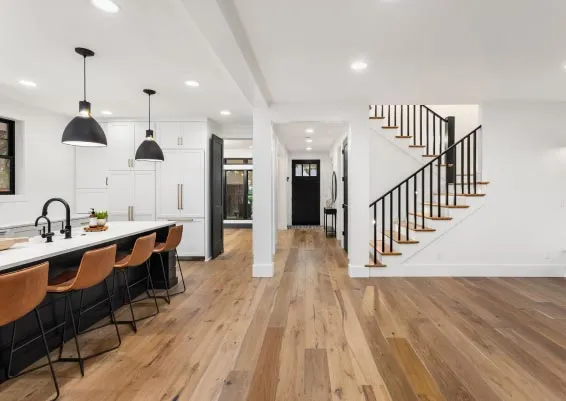
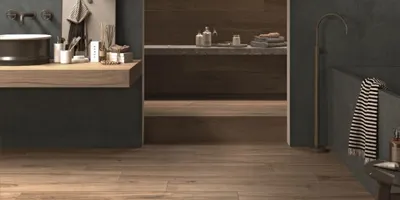
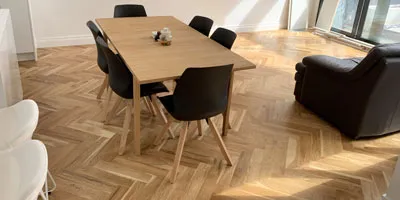
Victorian homes often demand a choice between traditional 80mm strip flooring and the more contemporary 130mm wide-board planks. Wide boards showcase the grain’s complexity, while narrower strips offer a classic, busy texture. For a ‘Master Craftsman’ finish, we recommend a satin water-based polyurethane. It highlights the raw texture without the plastic-like sheen of high-gloss alternatives. Because this species is incredibly dense, it maintains a stable thermal mass. This makes it a high-performing partner for hydronic underfloor heating systems, which are now standard in 40% of new Melbourne premium builds.
Outdoor Decking and Cladding Aesthetics
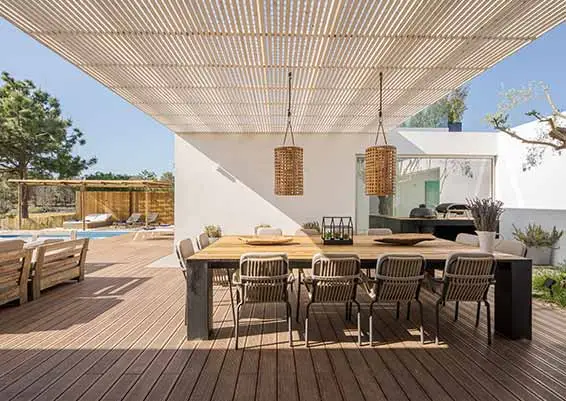
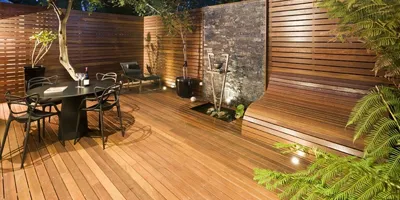
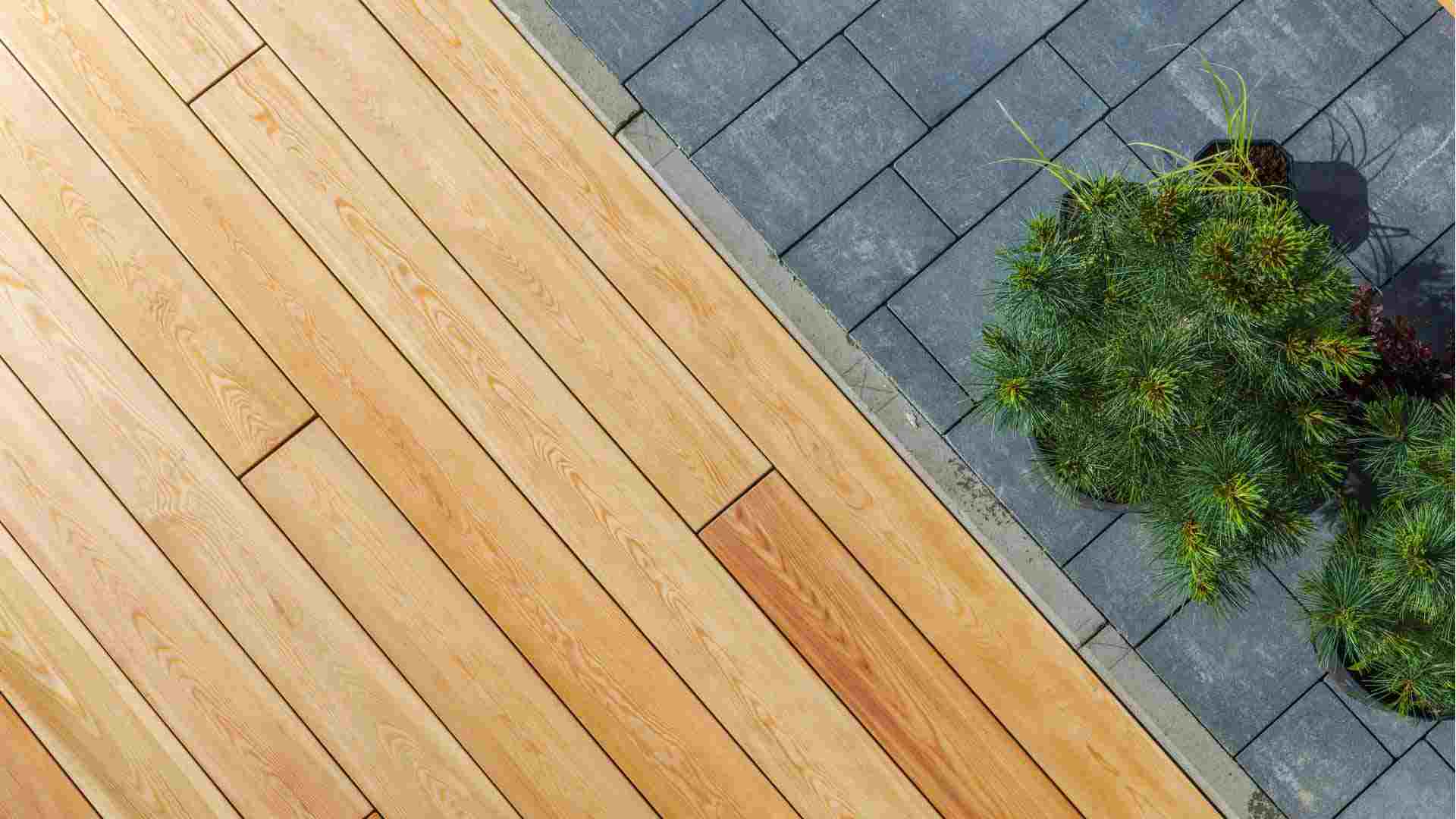
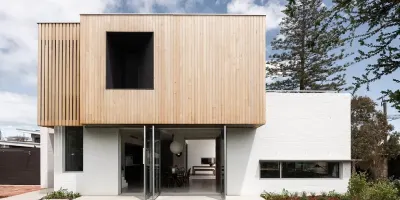
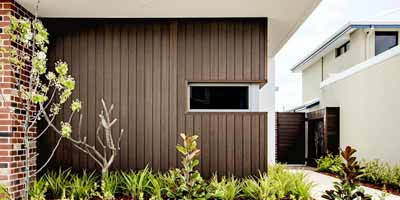
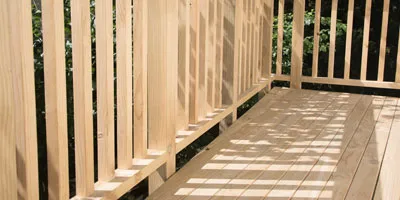
If you prefer low-maintenance beauty, you can let your deck weather into a ‘Silver Fox’ grey. In sun-drenched suburbs like Thomastown, this transformation takes about 12 to 18 months of exposure. To retain the original fiery hues, an oil-based sealer is your best tool. Oil penetrates deep into the dense fibers, whereas water-based sealers sit closer to the surface. For homeowners on tight 300sqm blocks, ironbark batten screening provides essential privacy. It creates a robust, vertical rhythm that shields your sanctuary while allowing the afternoon breeze to filter through.
Practical Guidance: Installation and BAL Ratings for Victorian Builds
Working with ironbark requires a fundamental respect for its immense density. At roughly 1120 kg/m³, this species is one of the hardest timbers globally. You won’t find success forcing fasteners into these boards. Pre-drilling every hole is a non-negotiable requirement. Without it, you’ll snap high-quality screws or cause the grain to split along its length. Always opt for 304 or 316-grade stainless steel fasteners. The natural tannins in the wood react poorly with galvanized steel; this often leads to unsightly black streaks that mar the timber’s refined aesthetic.
Melbourne’s climate demands patience. Before installation begins, your timber needs to rest. We recommend an acclimatisation period of at least 14 days on-site. This allows the wood to reach its equilibrium moisture content, typically between 10% and 12% for Victorian conditions. Skipping this step often results in boards shrinking or expanding once they’re fixed, which compromises the precision of your joinery and the longevity of the installation.
Bushfire Resistance (BAL-29 and Beyond)
Safety is paramount in fire-prone regions like the Yarra Ranges or Nillumbik Shire. Ironbark is one of the few species that naturally complies with AS 3959:2018 standards up to BAL-29 without additional chemical treatments. Its structural integrity remains high because it chars slowly. This carbonized layer acts as a natural insulator, protecting the inner core of the beam and buying critical time during an emergency. It’s a robust choice for homeowners seeking peace of mind alongside architectural beauty.
The Installation Checklist for Builders
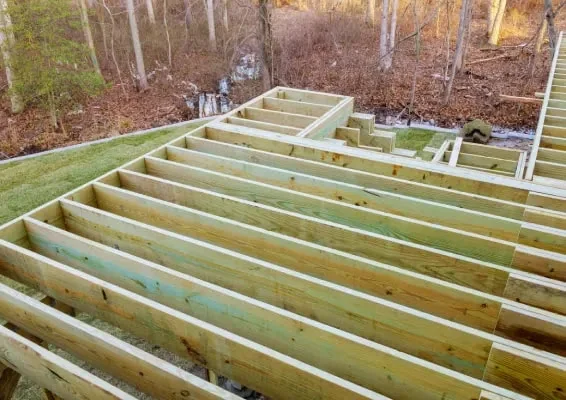
- Step 1: Proper Site Drainage. Ensure a minimum of 400mm clearance beneath sub-floors. This prevents “cupping” caused by moisture build-up during Melbourne’s damp winter months.
- Step 2: Specialized Equipment. Standard DIY tools won’t suffice for this hardwood. Use high-torque drills and 80-tooth carbide-tipped saw blades to achieve clean, professional cuts without burning the wood.
- Step 3: End-Sealing. Moisture enters and leaves through the end grain most rapidly. Apply a high-quality wax-based sealer to every cross-cut immediately to prevent checking and splitting.
Ready to start your next project with premium materials? Explore our range of durable ironbark decking and posts today.
Sourcing Premium Ironbark at Greenhill Timbers Thomastown
Choosing the right timber is a legacy decision for any build. At Greenhill Timbers, we’ve spent over 22 years refining our selection process to ensure every length of ironbark we supply meets the highest architectural standards. Our team understands that bespoke projects often require more than off-the-shelf solutions. We provide professional custom milling services at our Thomastown facility, allowing you to secure the exact dimensions your architectural plans demand. Whether you require 150x150mm structural posts or specific oversized decking boards, we handle the precision work in-house.
Reliability is the backbone of our service. We coordinate daily deliveries across the Melbourne Metropolitan area and regional Victoria, ensuring your materials arrive on-site in pristine condition. Our logistics team treats every order with the care a premium hardwood deserves. You won’t have to worry about project delays or compromised quality when your timber arrives.
The Greenhill Quality Standard
Quality isn’t accidental; it’s engineered through rigorous selection. We grade our ironbark to exceed standard industry requirements, focusing on high structural integrity and a clean aesthetic with minimal knots. Every piece is sourced from 100% sustainable Australian forests, adhering to strict environmental protocols that protect our bushland for the next generation. Local Thomastown builders have relied on us since 2007 because we maintain a consistent supply chain. This stability prevents the common industry headaches of fluctuating stock levels. Our competitive pricing reflects our direct relationships with local mills, passing the value directly to your project budget.
Visit Our Thomastown Showroom
Timber is a sensory material that needs to be seen and felt to be fully appreciated. In our Thomastown showroom, you can compare the deep, earthy tones of Red Ironbark against the sophisticated, subtle hues of Grey Ironbark under natural light. This visual clarity helps you match the wood to your specific landscape or interior palette perfectly. Our team of Trusted Master Craftsmen is available to review your architectural plans and offer technical advice on installation and maintenance. If you’re looking to balance the bold strength of ironbark with something softer, check out our Tasmanian Oak flooring for a lighter contrast in your interior spaces. We’re here to help you transform raw materials into a finished masterpiece that lasts for decades.
Secure Your Melbourne Build with Timeless Hardwood Strength
Selecting ironbark for your 2026 project ensures a legacy of structural integrity and refined aesthetic depth. This premier hardwood carries a Class 1 durability rating, providing a service life that exceeds 40 years in above-ground applications. It remains a top choice for Victorian builds requiring BAL-29 fire resistance without compromising on the rich, interlocking grains that define high-end Australian architecture. At Greenhill Timbers, we’ve spent over 20 years mastering the nuances of local timber requirements. We’re a family-owned Australian business dedicated to sourcing materials that stand up to the harshest elements. Our Thomastown warehouse features specialized custom milling services to tailor every length to your exact design needs. You’ll find the perfect balance of rugged performance and sophisticated style right here in Melbourne’s north. Take the next step in your construction journey with confidence and expert support.
Enquire about our Premium Ironbark stock at our Thomastown warehouse today
Frequently Asked Questions About Ironbark Timber
Is Ironbark better than Spotted Gum for a Melbourne deck?
Ironbark offers superior durability for Melbourne’s volatile weather, holding a Class 1 durability rating compared to Spotted Gum’s Class 2. While both are stunning, Ironbark features a higher Janka hardness rating of 14.0 kN, making it more resistant to the heavy foot traffic of a busy family home. It’s the premium choice for those who value a deck that remains robust and structurally sound for over 40 years.
How much does Ironbark flooring cost per square metre in 2026?
In the 2026 Melbourne market, you can expect to pay between A$145 and A$195 per square metre for premium grade Ironbark flooring. This price range accounts for standard 19mm thick boards and reflects the current demand for ethically sourced, high-density hardwoods. Investing in this resilient material ensures a timeless aesthetic that adds measurable value to your property, balancing initial costs with a lifespan that exceeds 50 years.
Does Ironbark require a lot of maintenance in the Victorian climate?
Ironbark requires a consistent maintenance schedule to preserve its honeyed tones and deep character in Victoria’s harsh UV environment. You’ll need to apply a high-quality penetrating oil every 12 to 18 months to prevent the timber from silvering off. This simple routine protects the dense grain from moisture fluctuations. It ensures your architectural investment retains its visual depth and structural integrity against Melbourne’s four seasons in one day.
Can I use Ironbark for structural posts and beams?
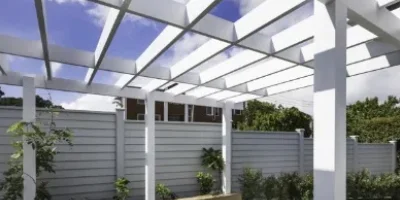
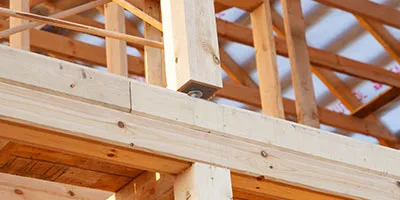
Ironbark is an exceptional choice for structural applications because of its incredible strength to weight ratio and F27 or F34 stress grades. Builders frequently specify it for heavy duty posts and beams that need to support significant loads while remaining exposed to the elements. Its natural resistance to rot and decay makes it a dependable foundation for pergolas, gazebos, and complex residential frames that require a rugged aesthetic without compromising on safety.
Why is Ironbark so hard to nail, and what should I use instead?
Ironbark is difficult to nail because its extreme density of 1120 kg/m3 offers immense resistance to traditional fasteners. Attempting to drive nails directly often results in bent steel or split timber edges. You must pre-drill every hole and use 304 or 316 grade stainless steel screws to ensure a secure, long-lasting bond. This professional approach prevents the timber from moving and highlights the meticulous craftsmanship required when working with such a robust material.
Is Ironbark timber termite resistant?
Ironbark is naturally termite resistant and is classified as a Durability Class 1 species according to AS 3660.1 standards. Its dense cellular structure and natural extractives make it unpalatable to wood-boring insects, providing a chemical-free barrier for your home. This inherent protection is a vital benefit for Victorian builders. It offers peace of mind that your structural elements and decking will remain intact and free from pest damage for decades.
What is the difference between Red Ironbark and Grey Ironbark?
The primary difference lies in their color palettes and subtle grain variations, as both share a similar Janka hardness of 14.0 kN. Red Ironbark delivers a dramatic, deep crimson to plum hue that creates a bold architectural statement. In contrast, Grey Ironbark offers a sophisticated range of nut-brown and chocolate tones. Choosing between them depends on your desired sensory experience and how the timber’s natural character complements your home’s existing color scheme.
Can Ironbark be used in BAL-40 bushfire zones?
Ironbark is one of the few Australian hardwoods naturally suited for BAL-29 and BAL-40 bushfire zones under AS 3959 regulations. Its high density and slow char rate mean it doesn’t require additional fire-retardant treatments to meet safety standards. This makes it a responsible, eco-friendly choice for homeowners building in Victoria’s peri-urban or forested regions. You get the warmth of natural timber without sacrificing the stringent safety requirements of high-risk fire areas.