





Spotted Gum vs Blackbutt Flooring: The 2026 Thomastown Homeowner’s Comparison

Choosing the wrong hardwood species can turn a A$15,000 renovation into a decade of regret as the timber reacts to Melbourne’s unpredictable climate. Whether you’re weighing up spotted gum vs blackbutt flooring, you likely want a floor that withstands the daily chaos of pets and kids while honoring the refined bones of a Victorian-era home. It’s common to feel overwhelmed by shifting grain patterns or the fear that your investment will lose its luster by 2030. We understand that a floor isn’t just a surface; it’s a living element of your home’s character and a vital driver of future market value.
In this guide, we resolve this debate with technical precision and a master craftsman’s eye. You’ll discover the definitive technical and aesthetic differences between Australia’s two favorite hardwoods to choose the perfect floor for your Melbourne home. We’ll examine Janka hardness scores, color evolution over 12 years, and which resilient timber best suits the unique architectural landscape of Thomastown.
Key Takeaways
- Identify the ideal visual character for your space by contrasting the dramatic, multi-tonal depth of Spotted Gum with the serene, honeyed straw hues of Blackbutt.
- Compare critical technical specifications, including Janka hardness ratings and Class 1 Durability, to ensure your timber floor thrives in the unique Melbourne climate.
- Settle the spotted gum vs blackbutt flooring debate using professional design rules that match timber species to your specific property size and architectural style in Thomastown.
- Discover why proper acclimatisation and choosing between direct stick or floating installation are essential steps to safeguarding the long-term stability of your hardwood investment.
- Master the balance between aesthetic aspiration and practical performance to select a resilient Australian hardwood that adds timeless value and natural warmth to your home.
Defining the Icons: An Overview of Spotted Gum and Blackbutt
Choosing between spotted gum vs blackbutt flooring is more than a simple design preference; it is a commitment to the architectural legacy of your home. In 2026, these two species continue to dominate the Victorian market because they offer a perfect marriage of rugged Australian durability and high-end aesthetic appeal. Spotted Gum (Corymbia maculata) is renowned for its striking visual depth, featuring a palette that wanders from pale greys to rich, chocolate browns. Conversely, Blackbutt (Eucalyptus pilularis) provides a lighter, more consistent honeyed tone that has become the hallmark of modern, coastal-inspired interiors across Melbourne.
At Greenhill Timbers, we treat every plank as a vital, living element of your renovation. Our role in the Thomastown community goes beyond supply. We act as curators of premium-grade hardwoods, ensuring that the timber under your feet possesses the structural integrity required for the local climate. While Spotted Gum is often chosen for its intense grain patterns and higher density, Blackbutt is prized for its versatility and warmth. Both species represent the pinnacle of Australian timber, providing a robust foundation that outlasts fleeting interior trends.
The Origin Story: Sourcing Sustainable Australian Timber
The journey of a premium floor begins in the managed forests along the East Coast of Australia. Ethical harvesting is not just a catchphrase for us; it is a core pillar of our operations. We prioritise timber with PEFC and FSC certification, which provides Melbourne builders with the assurance that their materials are sourced from responsibly managed landscapes. This focus on local sourcing significantly reduces the carbon footprint of your project by minimising transport distances. It also ensures that the timber is naturally acclimated to the Australian environment, reducing the risk of excessive movement after installation.
Quick Comparison: Technical Specifications at a Glance
Understanding the raw data helps translate aesthetic beauty into long-term performance. Both species are exceptionally hardy, yet they offer different technical profiles for the discerning homeowner:
- Janka Hardness: Spotted Gum leads with a rating of approximately 11.0 kN, while Blackbutt sits at a respectable 9.1 kN. Both are incredibly resistant to dents and scratches.
- Durability Class: Both species are rated as Class 1 above ground, meaning they have an expected life of over 40 years.
- BAL Ratings: These timbers are naturally fire-resistant. They often meet Bushfire Attack Level (BAL) 29 requirements without additional treatment, which is a critical factor for regional Victorian properties.
- Natural Oil Content: Spotted Gum has a higher natural oil content. This makes it slightly more demanding during the staining process but results in a finish with incredible lustre and depth.
Every piece of timber carries a unique story of natural craftsmanship. Whether you prefer the bold, variegated spirit of Spotted Gum or the serene, golden glow of Blackbutt, these icons provide a timeless quality that elevates any living space.
The Aesthetic Duel: Tones, Grains, and Visual Character
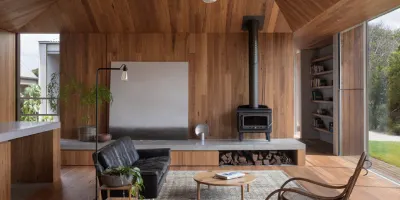
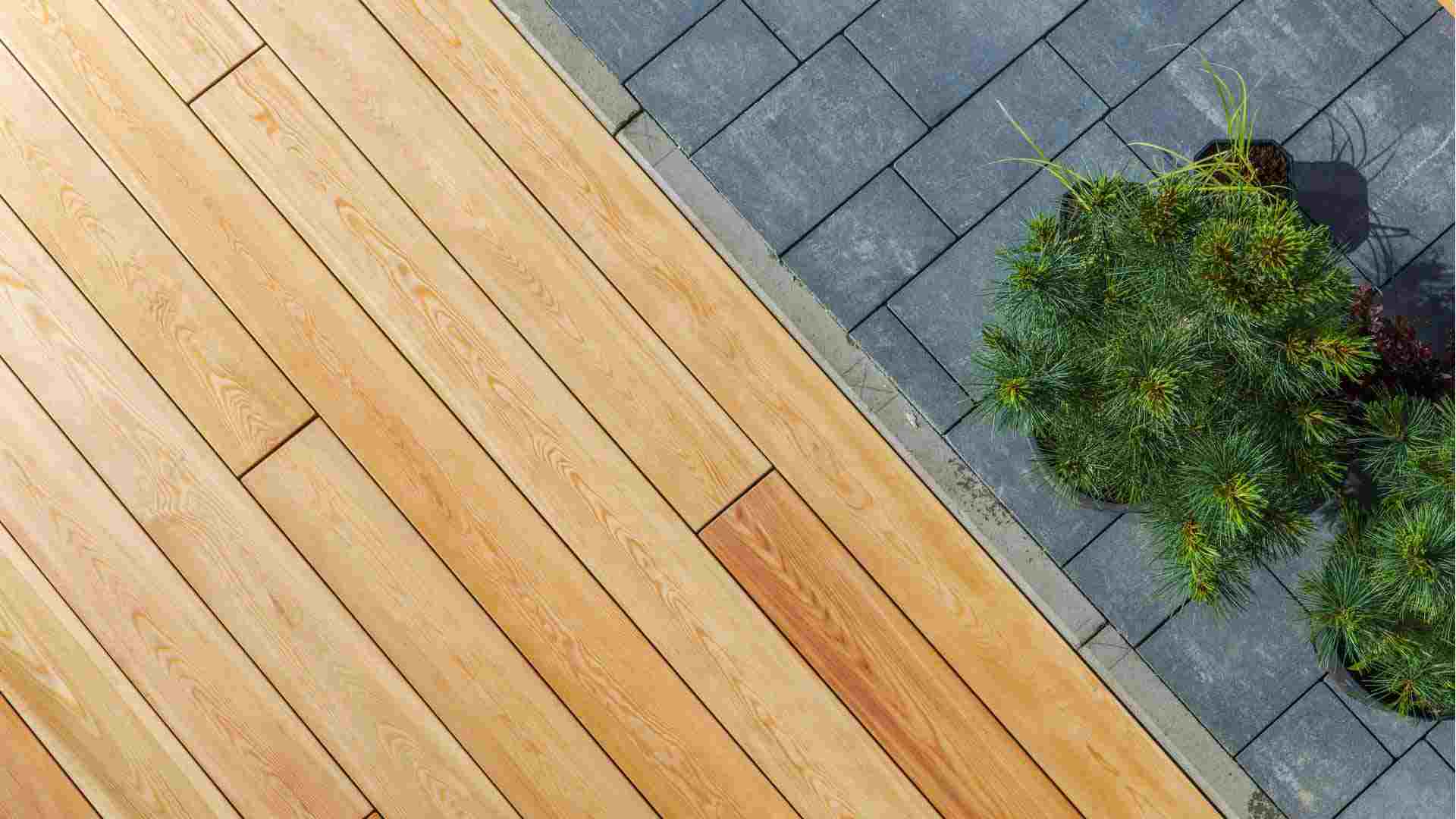
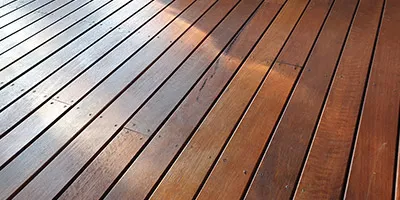
Selecting the right hardwood is a decision that shapes the soul of your home. When weighing up spotted gum vs blackbutt flooring, the choice usually comes down to the level of visual drama you want underfoot. Spotted Gum is the undisputed heavyweight of character. It presents a vivid tapestry of colours, ranging from pale creams and grey-browns to rich, chocolate tones. Its grain is often wavy or interlocked, which creates a rhythmic, swirling energy that fills a room with organic warmth and a sense of movement.
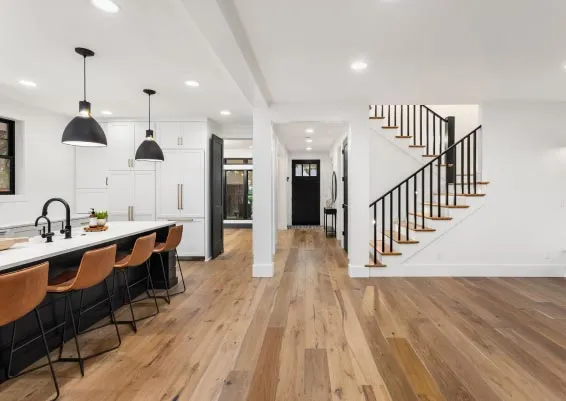
Blackbutt offers a different kind of beauty, often described as coastal serenity. It provides a more consistent palette of honeyed ambers and pale straw tones that reflect light beautifully. Because its grain is typically straight and uniform, it has a remarkable ability to make smaller Thomastown living areas feel more expansive and structured. These Blackbutt timber properties make it a favourite for homeowners seeking a neutral, high-end foundation that doesn’t overwhelm the senses. To add a touch of raw personality, Blackbutt often features dark, ribbon-like gum veins created by the tree’s natural response to the Australian bush landscape.
The Patina Factor: How Your Floor Will Look in 10 Years
Timber is a living material that matures alongside your family. In Melbourne, where UV levels are notoriously high, photo-sensitivity is a key consideration for your 2026 renovation. When comparing spotted gum vs blackbutt flooring for long-term aging, you’ll notice Spotted Gum tends to darken and become more lustrous over a decade. Blackbutt generally maintains its lighter hue but may develop a warmer, more golden glow. If you’re installing in areas prone to moisture, be aware that both species contain natural tannins; managing potential colour bleed during the first 12 months is vital for a pristine finish. Your choice of grade also dictates the final look. Select grade offers a clean, modern finish, while Feature grade celebrates every knot and streak for a robust, lived-in feel.
Matching Your Interior Style in Thomastown
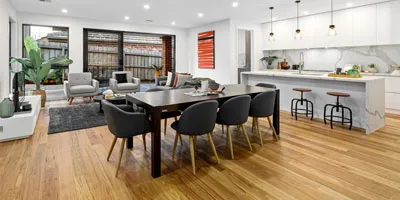
Your flooring should anchor your design vision. Spotted Gum is a natural partner for mid-century modern renovations or industrial loft styles, where its deep tones complement exposed brick and leather. Conversely, Blackbutt is the gold standard for Scandi-minimalism and the light-filled Hamptons aesthetic common in newer Victorian builds. If you love these species but need to manage a strict budget, opting for engineered timber flooring allows you to achieve these premium looks with enhanced stability. You can explore our full range of samples to see how these tones interact with your specific home lighting and wall colours.

Durability and Technical Performance in the Melbourne Climate
Selecting the right timber for a Thomastown renovation requires more than an eye for color. You need to consider how the material handles the physical demands of a modern Australian home. When evaluating spotted gum vs blackbutt flooring, the technical specifications reveal why these two species dominate the Victorian market. Both are Class 1 durability timbers. This classification means the heartwood has a life expectancy of over 40 years when used indoors. For a busy household, this translates to a floor that withstands the daily chaos of pets, sliding chairs, and high-traffic footfall without losing its structural integrity.
Melbourne’s climate is notoriously fickle. The “four seasons in one day” phenomenon creates rapid shifts in humidity and temperature. Timber is a living material; it breathes and moves. High-quality Australian hardwoods are naturally adapted to these fluctuations. While all timber expands and contracts, the dense cellular structure of these species minimizes the risk of cupping or gapping. When you weigh up spotted gum vs blackbutt flooring, you’re choosing between two of the most resilient biological structures on the planet, both capable of maintaining their form through a freezing Victorian winter and a scorching north-western summer.
The Janka Rating: Why Hardness Matters
The Janka rating measures the force required to embed an 11.28mm steel ball halfway into the wood. It is the gold standard for assessing dent resistance. Spotted Gum is often called the “Iron Lady” of Australian timber. It boasts a massive 11.0kN rating. This makes it one of the hardest floors available, perfect for homes with large dogs or heavy furniture. Blackbutt sits at 9.1kN. Don’t let the lower number fool you into thinking it’s soft. For perspective, American Oak sits around 6.0kN. Blackbutt is still a robust, heavy-duty hardwood that exceeds the requirements for any residential application. You can find detailed Spotted Gum technical data that confirms its superior impact resistance in high-stress environments.
Fire Resistance and BAL Ratings for Victoria
Safety is a non-negotiable priority for Victorian homeowners. Both Spotted Gum and Blackbutt are naturally fire-resistant. They meet the requirements for Bushfire Attack Level 29 (BAL-29) without needing expensive chemical fire-retardant treatments. This is a significant advantage for new builds on the Melbourne fringes or regional Victoria. Their natural density prevents them from igniting easily, providing a safer environment that complies with the latest 2026 building codes. You get peace of mind and a resilient floor in one package.
- Spotted Gum: 11.0kN Janka rating, highly resistant to indentation.
- Blackbutt: 9.1kN Janka rating, excellent for general residential use.
- Durability: Both species are Class 1, offering decades of service.
- Climate: Naturally suited to Melbourne’s humidity fluctuations.
Installation and Maintenance: Protecting Your Investment in Thomastown
Selecting between spotted gum vs blackbutt flooring is only the first step in your renovation journey. To ensure your floor remains a lifetime asset, you must respect the timber’s nature as a living, breathing material. In Thomastown, where seasonal humidity shifts can be sharp, acclimatisation is non-negotiable. We require your timber to sit in the installation room for at least 10 to 14 days before a single board is laid. This process allows the moisture content of the wood to stabilise with your home’s specific environment, preventing dramatic shrinking or swelling after the boards are fixed in place.
For a dense, resilient species like Spotted Gum, we recommend the direct stick installation method. While floating floors offer a quicker setup, a full trowel-bond adhesive provides the structural integrity a premium hardwood deserves. It eliminates the “hollow” sound often associated with cheaper alternatives and minimises internal movement. When choosing a finish, consider your long-term aesthetic goal. Water-based polyurethanes are excellent for maintaining the pale, cool tones of Blackbutt without yellowing over time. Conversely, penetrating oils can enhance the rich, chocolate depths and natural character of Spotted Gum, though they may require more frequent buffing to maintain their lustre.
Professional Installation in Melbourne
A flawless finish starts beneath the surface. Expert subfloor preparation is the most critical stage for timber flooring in Melbourne. If a subfloor deviates by more than 3mm over a 3-metre radius, you risk structural noise and uneven wear. Our team at Greenhill Timbers meticulously calculates expansion gaps, usually 10mm to 12mm around the perimeter, to accommodate the local climate. Large open-plan areas in modern Thomastown homes often require internal expansion joints to manage the natural movement of these robust Australian hardwoods, ensuring the floor remains flat and stable for decades.
Long-term Care and Refinishing
Maintaining the pristine look of Blackbutt requires a disciplined cleaning ritual. Dust and grit act like sandpaper underfoot; use a static mop daily to remove micro-particulates that dull the finish. During Melbourne winters, indoor heating can drop humidity levels below 30 percent, which can lead to “cupping” or unsightly gaps between boards. Using a humidifier helps maintain a stable environment between 45 and 55 percent relative humidity. Look for signs of wear like “traffic lanes” or dull patches in high-use areas. Recoating your floor every 5 to 8 years, before the finish wears through to the raw wood, saves you the significant cost of a full sand and polish later.
Making the Final Choice: Which Species Wins for Your Project?
Choosing between spotted gum vs blackbutt flooring depends entirely on your home’s architectural DNA and your daily lifestyle. If you’re renovating a compact unit or a townhouse in Thomastown, follow the “Lighter is Brighter” rule. Blackbutt’s pale straw and honeyed tones actively reflect natural light. This creates an illusion of expansive space where darker timbers might feel restrictive. It’s the ideal backdrop for a contemporary, minimalist aesthetic.
For luxury builds or large-scale renovations, the “Statement Floor” rule often points toward Spotted Gum. Its dramatic color variations and rich grains provide an anchor for high-end interior design. This timber doesn’t just sit underfoot; it commands the room. Beyond the visual appeal, consider the practicalities of your investment. Solid timber boards typically carry a higher linear metre price than engineered alternatives, but they offer the longevity of multiple refinishing cycles over several decades. Engineered options provide superior dimensional stability, making them a smart choice for Melbourne’s fluctuating humidity levels.
Before you commit, run through this final homeowner’s checklist:
- Light Assessment: Does the room receive enough natural light to support the darker tones of Spotted Gum?
- Durability Needs: Is the space a high-traffic zone where the superior Janka hardness of Spotted Gum is required?
- Subfloor Type: Are you installing over a concrete slab or an existing timber framework?
- Color Palette: Do your cabinetry and furniture lean toward cool greys or warm earth tones?
The Greenhill Verdict
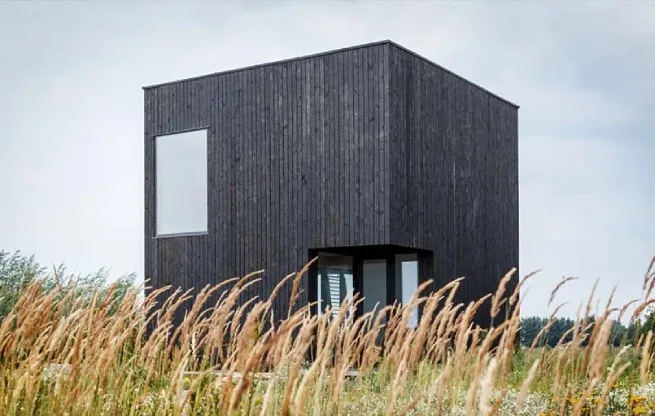
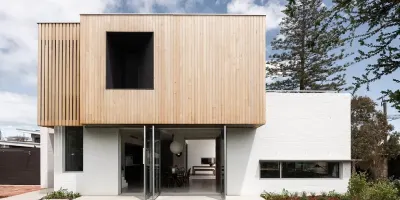
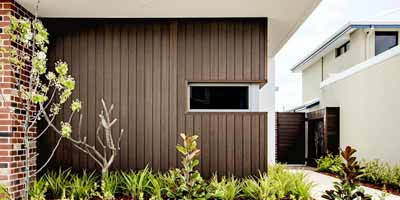
Our master craftsmen frequently recommend Spotted Gum for active families with pets or young children. Its resilience is legendary. The complex grain patterns are also incredibly forgiving, easily disguising the minor scuffs of a busy household. If you’re focused on resale value, Blackbutt remains a perennial favorite in the Melbourne market. Its neutral, timeless appeal suits almost any buyer’s taste. To achieve a truly cohesive architectural look, we invite you to view our cladding options to match your new interior flooring with your exterior features.
Visit Our Thomastown Warehouse
Nothing replaces the sensory experience of seeing premium timber in person. We invite you to visit our Thomastown warehouse to walk across full-sized boards of both species. Seeing a large span of timber reveals the natural character that a small hand sample simply cannot capture. Our timber experts are on hand to review your floor plan and help you finalize the spotted gum vs blackbutt flooring debate based on your specific technical requirements. We provide the rugged expertise you need to build with confidence. Get a custom quote for your flooring project today and start your journey toward a more beautiful home.
Bring the Beauty of Australian Hardwood Into Your Living Space
Deciding between spotted gum vs blackbutt flooring depends on whether you crave the deep, chocolate tones of the gum or the airy, honeyed warmth of the blackbutt. Spotted gum provides a striking visual depth with a high Janka hardness rating of 11.0, making it incredibly resilient against heavy foot traffic. Conversely, blackbutt is prized for its consistent coloring and natural fire resistance, often meeting BAL 29 standards for safety. Both timbers are premium, sustainable choices that’ll elevate your property’s value and aesthetic appeal for decades.
With over 20 years of experience in the Melbourne timber industry, Greenhill Timbers remains the trusted master craftsman for Thomastown homeowners. We’re a family-owned and operated business dedicated to sourcing the finest Australian hardwood species. Whether you’re renovating a classic weatherboard or building a modern masterpiece, our deep product knowledge ensures your floor is as stable as it is beautiful. Request a Premium Timber Flooring Quote from Greenhill Timbers today to secure the highest quality materials for your 2026 project. It’s time to transform your house into a home with the raw, evocative power of genuine timber.
Frequently Asked Questions
Is Spotted Gum more expensive than Blackbutt in 2026?
Spotted Gum typically carries a price premium of 10 to 15 percent over Blackbutt in the current 2026 Australian market. This cost difference reflects the higher density and the intense demand for its unique, multi-toned aesthetic. While Blackbutt offers a more accessible price point for large-scale renovations, many Thomastown homeowners find the long-term durability of Spotted Gum justifies the initial investment.
Which timber is better for homes with large dogs?
Spotted Gum is the superior choice for households with large pets because it boasts a Janka hardness rating of 11.0 kN. This high density means the wood resists scratches and gouges from heavy claws more effectively than most other hardwoods. Blackbutt is still a resilient option with a rating of 9.1 kN, but it may show wear slightly faster in high-traffic zones where active dogs play.
Does Blackbutt flooring turn yellow over time?
Blackbutt naturally develops a warmer, honey-gold hue as it ages and reacts to UV light, though it doesn’t turn a brassy yellow. Modern water-based finishes have improved UV resistance by 30 percent since 2023, which helps preserve the timber’s original pale character. You can maintain that cool, neutral palette by choosing a matte finish with added solar blockers to slow the natural oxidation process.
Can I use Spotted Gum or Blackbutt for outdoor decking as well?
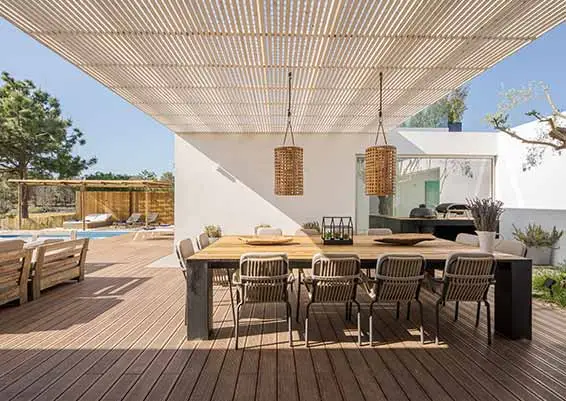
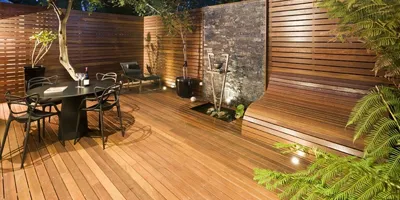
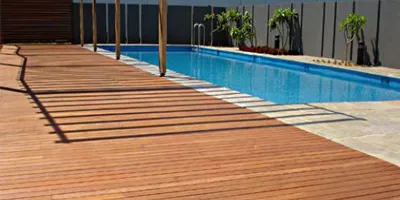
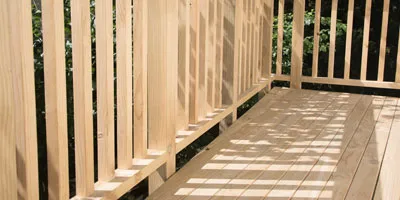
Both species are excellent for outdoor applications because they carry a Class 1 durability rating and meet BAL 29 fire-resistance standards. This makes them ideal for the Victorian climate where weather resistance is a priority for any alfresco space. Using the same species for your deck and your interior floors creates a sophisticated, continuous flow that makes your entire property feel more expansive.
Is engineered Spotted Gum as good as solid timber?
Engineered boards are often a more reliable choice for Melbourne homes because their multi-layered core prevents the timber from expanding or shrinking during seasonal humidity shifts. When comparing spotted gum vs blackbutt flooring, the engineered versions provide a 4mm to 6mm wear layer that looks identical to solid planks. You get the same rich grains and natural warmth with significantly less risk of cupping or gapping over time.
What is the best finish for Australian hardwood floors in Melbourne?
A high-quality, water-based polyurethane in a matte or satin sheen is the best finish for local hardwood floors in 2026. These coatings are incredibly tough against daily foot traffic and don’t emit the harsh chemical odors associated with older solvent-based oils. They highlight the organic texture of the wood while providing a clear protective barrier that doesn’t darken the timber’s natural highlights.
How long does it take to install timber flooring in a standard Thomastown home?
The physical installation for a standard 120-square-meter home usually takes 4 to 6 business days to complete. However, you must factor in a 14-day acclimatization period where the timber sits inside your home to adjust to the local moisture levels. Rushing this process can lead to structural issues, so we always recommend planning for a three-week window from delivery to the final coat of finish.