
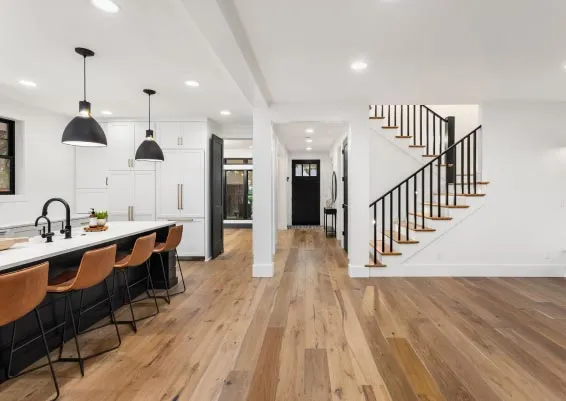
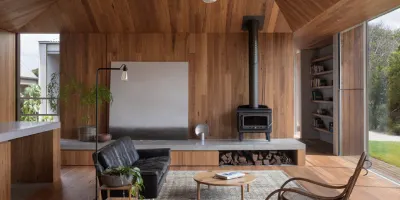


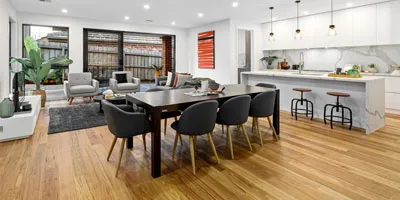




Is Tasmanian Oak Good for Furniture? Everything You Need to Know
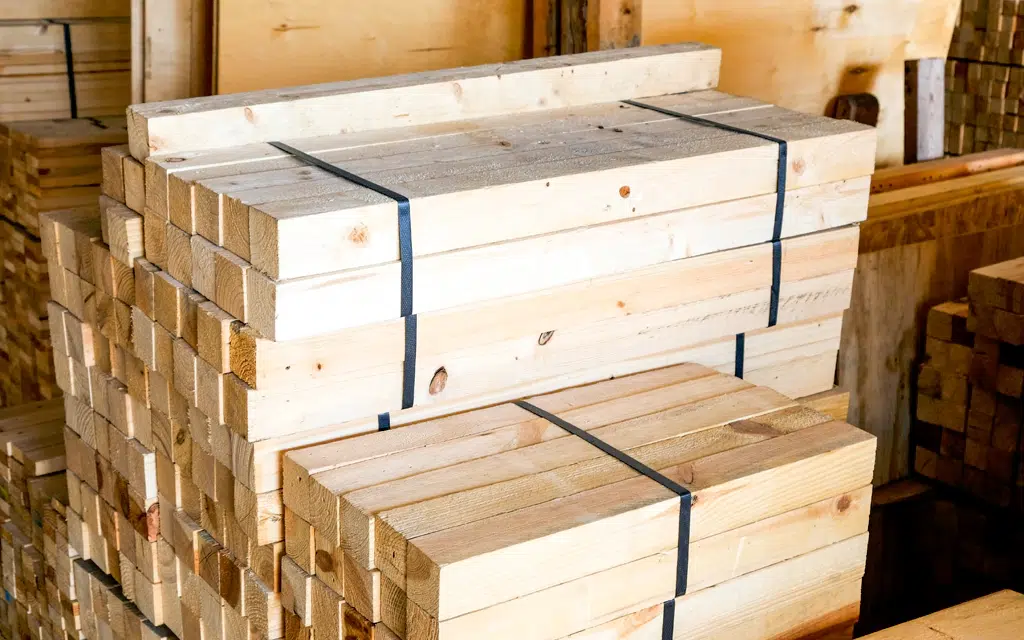
For Australians designing or commissioning solid wood pieces, one native material consistently surfaces: Tasmanian Oak. This wood is certainly a market leader across Melbourne. Designers often favour this material and you might see it everywhere, from kitchen joinery to dining tables. But what makes this specific eucalypt mix such a highly regarded option? Let’s explore the practical realities of using this iconic Australian hardwood and what makes it a preferred option
What is Tasmanian Oak?
Tasmanian Oak is the name given to the lumber from several native Australian eucalypt species. These particular trees flourish in Tasmania and the cooler mountainous territories of Victoria. The industry bundles them together because the finished wood possesses strikingly similar working qualities. You discover its reliable performance through these physical characteristics:
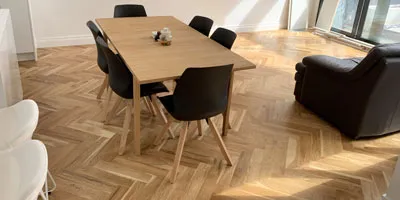
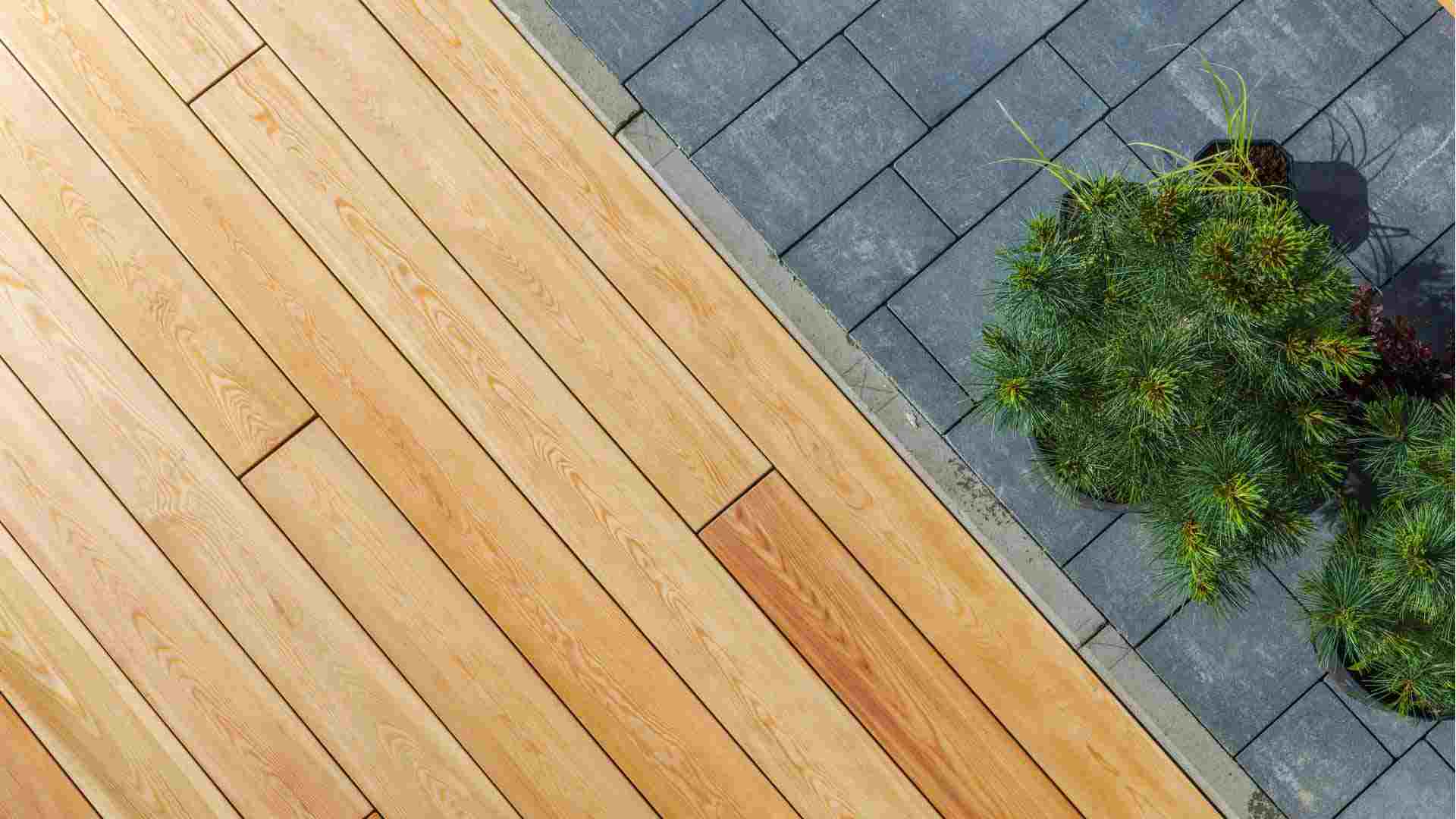
- Exhibits a versatile palette from creamy pale straw to delicate pink-browns.
- Showcases a moderately coarse yet remarkably even texture that runs throughout the surface.
- Has a proper seasoning, which promotes superior dimensional consistency across its width and length.
- Resists high impacts, proving hard-wearing for active areas.
- Possess a mass (5.5 kN Janka Ratings) that places it squarely in the mid-range of local Australian hardwoods.
Also Read – Why Tasmanian Oak Flooring Should Be a Part of Your Home Installation
What Makes Tasmanian Oak an Excellent Selection for Solid Joinery?
Professional cabinet makers and furniture builders understand that the ease of handling is what makes wood appealing. Tasmanian Oak provides several advantages that streamline the fabrication process and guarantee long-term performance in your home. Check Tasmanian oak cladding & Tasmanian Oak Flooring.
Superb Machinability
This wood earns serious acclaim for how readily it responds to processing. It cuts cleanly with typical workshop tools and you can achieve precise angles and flawless curves with minimal fuss. This excellent workability translates directly to furniture construction. With it, makers can execute complex joinery details, like secure dovetail fittings, with precision. Also, it presents less resistance during milling, preserving tool longevity. This efficiency helps keep production costs reasonable for bespoke items.
Accepts Colour and Sealants
One of this Tasmanian Oak’s biggest selling points is its relatively light foundation hue. This subtle background allows it to readily accept a wide variety of stains. You can easily achieve dark, deep tones on its surface. Alternatively, a clear protective sealant simply warms the natural pale complexion. This means the wood adapts easily to virtually any contemporary or traditional interior design scheme. The material also holds glue and mechanical fasteners well, quickly forming a solid connection between different sections during assembly.
Also Read – Treated Pine Decking: Is It Worth It? Pros, Cons & Maintenance Tips
High Dimensional Consistency
After appropriate drying, the material showcases impressive resistance to movement. It also has less tendency to shrink or swell compared to some other timbers. This feature is crucial for large flat surfaces like tabletop slabs or wardrobe panels as the furniture will maintain its form over the years bearing the extremities of changing seasons. You won’t struggle with joints loosening or surfaces cupping unexpectedly.
Also Read – What is Composite Decking Made of? Key Components
Appealing Residential Density
While not the toughest Australian species, the material registers a considerable degree of hardness. It stands up well to the everyday scuffs and bumps of an active home. Additionally, its weight offers sophistication and quality to a finished item. Yet, it remains light enough that you can reposition a bookcase or dining chair without unnecessary strain. This balance makes it extremely functional for typical living spaces.
Aesthetic and Textural Warmth
Tasmanian Oak’s straight, open grain pattern presents an inherently calm visual appeal. This provides a sleek, modern aesthetic that complements modern architecture. Its inherent warmth also adds a comfortable, inviting feel to a room with an understated textural detail that allows the piece to enhance a space subtly.
Also Read – Everything You Need to Know About Engineered Timber Floors
How to Care For Your Tasmanian Oak Furniture?
Caring for your furniture truly depends upon the surface treatments. A surface sealed with lacquer requires different upkeep than one saturated with natural oils. So, always confirm the finish type with your cabinetmaker initially. This simple question guides your entire cleaning regimen. Yet, here are some steps you can take in general:
- Immediately blot up any spills with a clean, soft cloth; never attempt to vigorously rub the liquid.
- Protect your timber from direct heat by consistently placing a trivet beneath hot dishes.
- Regularly wipe down the surfaces using a dry, soft microfibre pad to eradicate fine abrasive dust particles.
- Avoid using all-purpose household cleaning chemicals or abrasive scourers on the wooden surface.
- For deep-sealed finishes, lightly dampen a cloth with warm water and mild soap for occasional cleaning.
- Position your joinery away from intense sunlight or direct drafts from air conditioning units to prevent fading or drying out.
Timber treated only with oil requires regular applications of the appropriate penetrating sealant to nourish the material and rebuild its protective layer.
A good protective coating prevents moisture penetration, halting the creation of unsightly water rings.
Concluding Words
Selecting the right solid wood material determines your furniture’s eventual appearance and longevity. Tasmanian Oak provides a compelling proposition, fusing a pleasing native aesthetic with exceptional practical performance. Understanding its key traits, like superior workability and finish acceptance, helps make an informed decision.
Greenhill Timbers: Your Partner in Premium Timber Supply
Are you also in search of trusted timber supplies? Look no further.
At Greenhill Timbers, we are a team with ample experience in sourcing high-quality timber suitable for diverse needs. Whether you’re looking for Blackbutt, Tasmanian Oak, Messmate, Chestnut, or Hickory, you name it, and we have the solid timber ready for use. We also supply engineered, hybrid, and laminate products for those who are seeking timber alternatives. So, reach out to us with your requirements (flooring, decking, cladding, or more) and we will ensure you have quality material available.