



H3 Treated Pine in Thomastown: The 2026 Guide to Durable Outdoor Timber

A single deck failure in Melbourne can cost a homeowner upwards of A$15,000 in structural repairs before the decade is out. You likely understand that timber is the soul of a home, yet the fear of rot or termite infestation often clouds the excitement of a new build. It’s frustrating to stand in a timber yard in Thomastown, staring at labels like H2, H3, and H4, wondering which one truly protects your investment from the unpredictable Victorian weather. We know you want a finish that balances rugged durability with a refined aesthetic.
This guide empowers you to master the technical specifications and local installation secrets of h3 treated pine, ensuring your outdoor structures remain as robust and beautiful as the day they were installed. You’ll learn to confidently select the correct hazard level for your project and understand the long-term lifespan of timber in our specific climate. We will break down essential hazard levels, clarify chemical safety for residential use, and reveal where to source premium structural pine right here in Thomastown.
Key Takeaways
- Understand the technical specifications of AS 1604 standards to ensure your outdoor timber is correctly rated for “Above Ground” exposure and long-term durability.
- Navigate the technical differences between modern preservatives like ACQ and LOSP to choose the most resilient and eco-friendly options for your residential project.
- Avoid the most common structural failure in Melbourne building by learning why h3 treated pine is specifically designed for above-ground use rather than in-ground contact.
- Master professional installation secrets, including the “Cut and Treat” rule, to safeguard your timber against humidity and maintain its structural integrity.
- Discover the distinct advantage of sourcing premium, master-selected structural pine that balances rugged performance with a refined architectural aesthetic.
Understanding H3 Treated Pine for Thomastown Projects
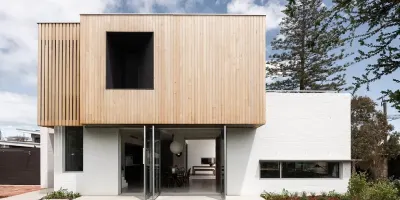
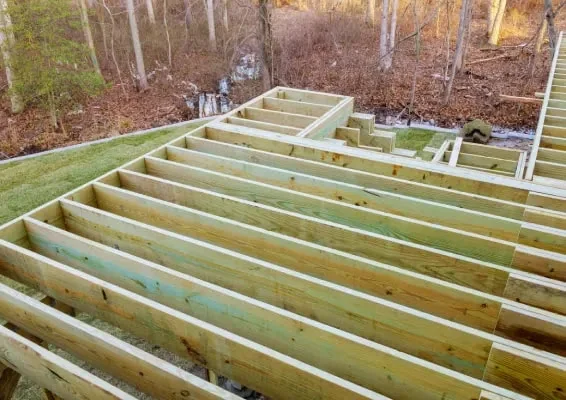
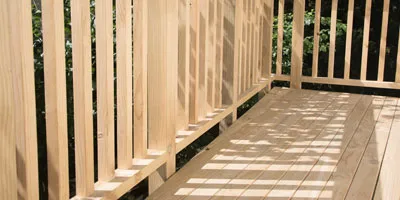
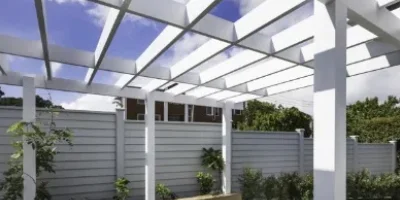
In the heart of Thomastown, where the local climate shifts from sun-drenched afternoons to sudden southern squalls, the choice of structural timber isn’t just a matter of meeting code; it’s a commitment to longevity. H3 treated pine is specifically preserved for “Above Ground, Outside” use according to the rigorous requirements of AS 1604. This classification ensures that the timber is fortified against moderate decay, fungal attacks, and the persistent threat of termites in exposed environments. It serves as the structural backbone for Melbourne’s outdoor living spaces, providing the necessary resilience for pergolas, deck framing, and external cladding. H3 treatment serves as the industry benchmark for timber exposed to periodic wetting but not ground contact.
The reliability of these materials rests on the sophisticated science of wood preservation, which transforms soft timber into a robust building component. For builders in Victoria, using H3 means your project will withstand the elements without the constant fear of structural rot. It’s a premium solution that balances the raw beauty of natural wood with the industrial strength required for modern Australian architecture.
The Anatomy of a Treatment Level
Understanding the internal structure of timber is vital for any master craftsman. Radiata pine consists of sapwood and heartwood; the sapwood is porous and readily accepts the preservative, while the heartwood is naturally more resistant to penetration. High-quality h3 treated pine often relies on “envelope treatment.” This process creates a protective chemical shield around the exterior of the timber. Because the core might not be fully saturated, it’s essential to treat any cut ends with a supplemental preservative to maintain structural integrity. You can identify premium H3 pine by its characteristic green or blue tint and the mandatory branding stamps that certify its treatment level and origin.
Why Pine? The Master Craftsman’s View
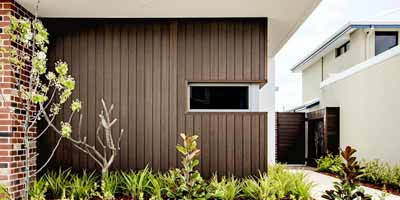
Radiata Pine remains a favorite in Thomastown workshops because it’s exceptionally easy to work with and sustainably sourced. It offers a cost-effective alternative to hardwood without sacrificing the professional finish clients expect. While some builders prefer the character of cypress posts for specific vertical elements, H3 pine provides unmatched versatility for horizontal framing and intricate cladding.
The aesthetic flexibility of pine is a significant advantage for custom builds. It can be finished in several ways:
- Raw Industrial: Leaving the timber as-is for a rugged, natural look that silver-offs over time.
- Premium Painted: The smooth surface of pine takes paint exceptionally well, allowing for crisp, contemporary finishes.
- Stained: Using rich oils to highlight the honeyed tones and natural grain of the wood.
By choosing pine, you’re opting for a material that is as stable as it is beautiful. It’s a dependable partner for any renovation or new construction project in the northern suburbs.
The Science of Durability: Preservative Types and Hazard Levels
Timber isn’t just a raw material; it’s a structural investment that requires precise chemistry to withstand the elements. To ensure h3 treated pine survives the volatile Victorian climate, it undergoes a rigorous pressure-treatment process. This involves placing raw timber into a massive vacuum chamber where preservatives are forced deep into the wood grain. This industrial method creates a resilient barrier against biological decay that surface-level coatings simply can’t match. For builders looking for technical clarity on these classifications, the Timber Preservers Association of Australia provides the definitive framework for hazard levels and chemical safety.
We’ve moved beyond the old CCA debate in residential construction. While Chromated Copper Arsenate remains a staple for industrial poles or vineyard stakes, modern Australian standards restrict its use for domestic decks and play equipment. Today’s builders prefer ACQ and CuAz alternatives. These modern formulations provide premium protection without the heavy metal concerns of the past. Choosing plantation-grown Australian pine also supports a sustainable cycle. These forests sequester carbon for 25 to 30 years before harvest, ensuring your build is as eco-friendly as it is robust.
ACQ vs. LOSP: Which is Better for Your Build?
Alkaline Copper Quaternary (ACQ) is a water-based powerhouse. It’s ideal for high-moisture environments because it offers robust protection against fungal rot. If you’re building a deck in a damp Melbourne suburb, this form of h3 treated pine is your best bet for longevity. Light Organic Solvent Preservatives (LOSP) serve a different purpose. Because LOSP uses a spirit-based carrier rather than water, the timber doesn’t swell or warp during the treatment process. This makes it perfect for precision-milled products like external cladding or decorative joinery where dimensional stability is vital. If you plan to stain your timber to highlight its natural character, you can explore our range of treated solutions to find the perfect match for your aesthetic goals.
Termite Resistance in Victoria
Melbourne isn’t immune to the silent threat of timber pests. In fact, termite activity costs Australian homeowners over A$700 million annually in structural repairs. H3 treatment is specifically formulated to repel Coptotermes acinaciformis, the most destructive termite in Australia. While the treatment provides a chemical shield, it isn’t a silver bullet. Builders must still maintain physical termite barriers and ensure adequate sub-floor ventilation. This dual-layer approach protects the structural integrity of your F7 or MGP10 pine for decades. It’s about creating a timeless space that remains as stable as the day it was installed.

H2 vs H3 vs H4: Choosing the Right Treatment for Victorian Climates
Selecting the correct timber treatment isn’t just a regulatory hurdle; it’s a commitment to the longevity of your craft. In Victoria, where damp winters and humid summers test the limits of organic materials, understanding the Hazard (H) Class system is vital. H2 treatment provides a resilient barrier against termites for internal applications. Move outside, and h3 treated pine becomes the standard for above-ground structures like deck joists and pergolas. However, the most frequent error we see in Thomastown is the use of H3 for ground-contact applications. While H3 excels at shedding rainwater, it lacks the chemical density required to survive the constant microbial assault found in Victorian soil.
The “Transition Zone” is where many renovations fail. This is the precise point where an external deck ledger meets the house framing. You must ensure that every piece of h3 treated pine is correctly flashed and that any end-cuts are resealed with a preservative. Understanding Treated Wood Safety and Regulation helps builders appreciate why these chemical barriers are engineered for specific environments. Using the wrong class doesn’t just void warranties; it invites structural decay that can compromise the entire building envelope within a few seasons.
When to Step Up to H4
Ground contact changes the decay biology entirely. Soil contains a cocktail of fungi and bacteria that thrive on moisture. If you bury H3 timber, it will likely fail within 3 to 5 years, regardless of the brand or initial appearance. H4 treatment is mandatory for any timber in direct contact with the earth, such as fence posts or garden sleepers. For those seeking a blend of natural durability and traditional aesthetics, we often recommend cypress posts as a robust alternative to treated pine for in-ground use. They offer a timeless character that ages gracefully while standing firm against the elements.
H2 for Structural Framing
H2 treated timber is the backbone of modern Victorian interiors. It’s cost-effective and provides essential protection against termite trails. It’s dangerous to assume that “over-treating” with H3 for internal walls is better; H3 often uses LOSP (Light Organic Solvent Preservative) which can emit a distinct odor indoors for weeks. For long internal spans where pine might struggle with deflection, many builders integrate lvl timber to achieve superior structural integrity. This combination ensures the frame remains straight and true while the H2 treatment keeps the pests at bay.
- Check the Stamp: Every length should have a clear H-level stamp (H2, H3, or H4) every 1.2 metres.
- Verify the Cut: Ensure any site-cut ends on H3 or H4 timber have been treated with an approved “in-can” preservative.
- Identify the Grade: Confirm if the delivery matches the MGP10 or F7 specification on your engineering plans.
- Surface Inspection: Look for excessive “incising” marks which are necessary for treatment penetration but can affect the visual finish of the wood.
Installation Masterclass: Working with H3 Pine in Melbourne
Melbourne’s volatile climate demands a disciplined approach to installation. Success starts the moment your h3 treated pine arrives on-site. To ensure your outdoor project remains a testament to quality craftsmanship, follow these four essential steps.
- Step 1: Strategic On-Site Storage. Don’t stack your timber directly on the soil or damp concrete. Elevate the pack at least 150mm off the ground using level gluts. Cover the timber with a breathable tarp to shield it from Melbourne’s sudden downpours while preventing the humidity from causing uneven drying and warping.
- Step 2: The “Cut and Treat” Rule. The chemical protection in treated timber is often a “shell” treatment. When you saw, drill, or notch the wood, you expose the untreated heartwood. You must re-seal every single cut with a high-quality preservative end-sealer to maintain the integrity of the rot resistance.
- Step 3: Precision Fastener Selection. Modern H3 treatments often contain copper, which aggressively corrodes standard steel. Only use 304 or 316-grade stainless steel or high-quality hot-dipped galvanised screws. This choice prevents those unsightly black streaks and ensures the structural connections don’t fail prematurely.
- Step 4: Managing Movement. Victoria’s temperature swings can exceed 30 degrees in a single afternoon. Timber is a living material that breathes. Leave 3mm to 5mm expansion gaps between boards to allow for natural swelling and contraction without buckling the frame.
Sealing and Maintenance for Longevity
Even premium h3 treated pine is susceptible to “checking,” which are small surface cracks caused by rapid moisture loss. Applying a high-quality oil or acrylic paint immediately after installation blocks harsh UV radiation. In Thomastown, north-facing structures endure 45% more direct solar impact than shaded south-facing builds. We recommend a maintenance coat every 12 to 18 months for exposed northern aspects to keep the timber looking robust and refined.
Structural Spans and Load Bearing
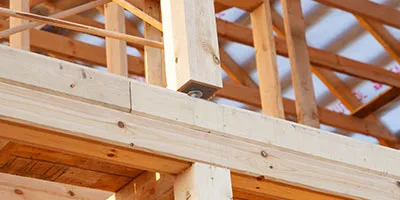
While MGP10 is the reliable industry standard, MGP12 provides a stiffer profile for projects requiring tighter tolerances. For spans exceeding 4.8 metres, traditional pine joists often reach their physical limits. In these architectural designs, builders frequently supplement their sub-frames with lvl timber to achieve perfectly straight, long-reaching spans. Most Melbourne deck sub-frames must adhere to AS 1684 standards, so always verify your joist spacing against local engineering requirements before the first nail is driven.
Premium H3 Treated Pine Solutions at Greenhill Timbers
Choosing the right structural material requires more than just picking a grade off a shelf. At Greenhill Timbers in Thomastown, we provide a curated selection of h3 treated pine designed to withstand the volatile Victorian climate. Unlike big-box retailers where timber often sits neglected in massive warehouses, our stock is managed by professionals who understand the organic nature of wood. We don’t just sell timber; we provide the foundational elements for your architectural vision. Every piece of structural pine we supply undergoes rigorous quality checks to ensure it meets the demands of local building codes and aesthetic standards.
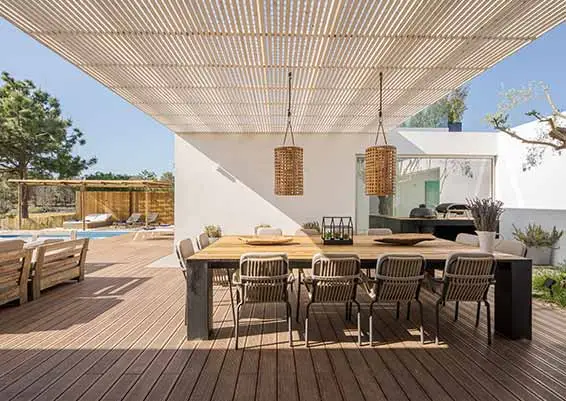
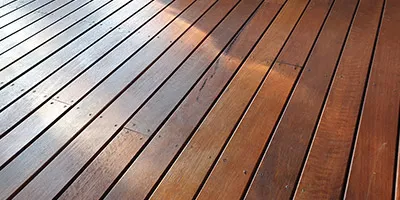
Our facility offers precision custom cutting and reliable delivery services across the Melbourne metropolitan area, ensuring your project stays on schedule. For builders crafting high-end outdoor spaces, integrating h3 treated pine sub-structures with premium decking is a hallmark of quality. While the rich grains of Spotted Gum or the deep, honeyed tones of Merbau capture the eye, the resilient pine framework provides the necessary longevity. It’s the silent partner in a beautiful deck. This combination ensures a finish that’s both visually striking and structurally sound for decades.
The Greenhill Quality Standard
Our commitment to excellence begins with ethical sourcing. We prioritize timber from sustainably managed forests, ensuring that your build supports responsible environmental practices. With over 20 years of expertise in the Thomastown market, our team offers a level of insight that only comes from decades of hands-on experience. Whether you’re a trade professional managing a multi-site development or a DIY enthusiast planning a weekend pergola project, we provide personalized service tailored to your specific technical requirements. We treat every client as a partner in craftsmanship.
Visit Our Thomastown Warehouse
There’s no substitute for feeling the texture and inspecting the grain of your materials in person. We invite you to visit our Thomastown warehouse to see our extensive stock first-hand. Our experts are available for detailed consultations, helping you navigate complex outdoor projects with ease. We also provide accurate material take-offs to minimize waste and optimize your budget. Experience the Greenhill difference and see why Victorian builders trust us for their most ambitious designs. Explore our full range of structural timber and H3 pine today.
Secure the Longevity of Your Outdoor Vision
Selecting the correct timber for your project is a decision that balances engineering necessity with the natural beauty of the Australian landscape. By prioritizing h3 treated pine with MGP10 or MGP12 structural ratings, you ensure your outdoor space remains resilient against Melbourne’s harsh UV exposure and moisture levels. Our family-owned Thomastown warehouse has served the local building community for over 20 years, offering the deep product knowledge required to master Victorian hazard levels. We believe that timber is more than a commodity; it’s a living element of your home’s architecture that deserves the highest standard of protection. Whether you’re framing a complex deck or a simple garden feature, the right materials provide a foundation of absolute confidence. It’s time to elevate your construction with timber that offers both refined character and rugged durability. Our experts are here to simplify the selection process and provide the premium materials your craftsmanship deserves.
Get a Quote on Premium H3 Treated Pine for Your Thomastown Project
Your next project deserves the enduring strength and timeless appeal of expertly treated Victorian pine.
Frequently Asked Questions
Can H3 treated pine be used for vegetable garden beds?
You can use H3 treated pine for garden beds, provided you select timber treated with ACQ or TANALITH E rather than older CCA varieties. To ensure 100% safety and peace of mind, many builders install a heavy-duty plastic liner between the soil and the wood. This simple barrier prevents any preservative leaching while allowing you to enjoy the structural resilience of the timber for 20 years or more.
How long will H3 treated pine last outside in Melbourne?
In the variable Melbourne climate, premium h3 treated pine typically delivers a service life of 25 to 30 years when installed correctly above the ground. Our local weather shifts from high UV exposure to sudden dampness, which tests the limits of any external material. Maintaining the timber with a high-quality water repellent every 12 to 24 months ensures it remains robust against the elements.
Do I need to paint H3 treated pine to keep it from rotting?
You don’t need to paint the timber to prevent rot, as the chemical treatment provides the primary defense against fungal decay. However, applying a premium oil-based stain or exterior paint is vital to prevent the wood from weathering, splitting, or “checking” under the Australian sun. A sealed finish preserves the rich grains and structural integrity, keeping your project looking as fresh as the day it was built.
Is H3 treated pine safe for children’s playgrounds?
Modern h3 treated pine is perfectly safe for playground equipment and high-touch residential structures. Australian standards shifted years ago to ensure that the chemicals used in residential settings are low-toxicity and safe for frequent human contact. It remains a favorite for Victorian families because it combines a soft, splinter-resistant texture with the enduring strength required for active play.
What happens if I put H3 treated pine in the ground?
If you place H3 timber in direct contact with the soil, it will likely fail within 3 to 5 years due to moisture ingress and microbial attack. H3 is specifically engineered for above-ground applications like deck joists, pergolas, and fencing rails where water can drain away. For any post or sleeper that touches the earth, you must upgrade to H4 or H5 rated timber to guarantee long-term stability.
What is the best way to seal cut ends of H3 timber?
The most effective method is to apply a liberal coat of a brush-on preservative “end sealer” to every single cross-cut or notch. When you cut h3 treated pine, you expose the untreated heartwood, which creates a vulnerable entry point for rot and termites. Treating these edges immediately restores the chemical envelope and maintains the 100% protective barrier required for a professional, lasting finish.
Why is some H3 pine green and some clear/brown?
The color variation is a result of the specific treatment process used, with green tints usually indicating a water-borne copper treatment like ACQ. Clear or light brown finishes often signal a Light Organic Solvent Preservative (LOSP), which is frequently used for decorative architectural components and joinery. Both options provide the same premium level of protection, so your choice should depend on whether you prefer the rustic green aesthetic or a more natural wood tone.
Can I use H3 treated pine for indoor furniture?
While it’s possible to use h3 treated pine indoors, it’s generally not recommended for surfaces where food is prepared or for bedroom furniture. The preservatives can sometimes emit a faint chemical scent in enclosed spaces, which may persist for several months. For interior projects, we suggest using untreated MGP10 or F7 pine to highlight the natural character and scent of the wood without the need for industrial-grade outdoor chemicals.