



Treated Pine vs Hardwood: Which Is Better for Outdoor Decking in Australia?

Finding the right timber for outdoor decking can feel overwhelming. Australian weather presents numerous reasons to feel so, Harsh sunlight, sudden rain, coastal salt exposure, dramatic temperature swings, etc. These conditions demand materials that can endure pressure while still delivering visual appeal. So, more often than not, we find two timber choices dominate these conversations.
Treated Pine and Hardwood.
Both timbers offer clear benefits and noticeable drawbacks. The smarter choice depends on budget limits, lifestyle expectations, and long-term vision. So, knowing these materials in depth becomes essential for any builder or homeowner.
First things first!
Understanding Treated Pine and Hardwood
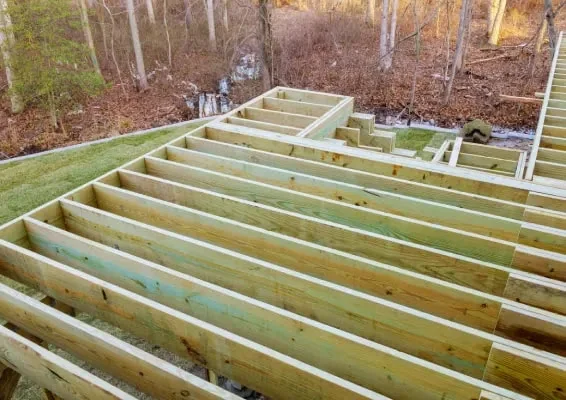
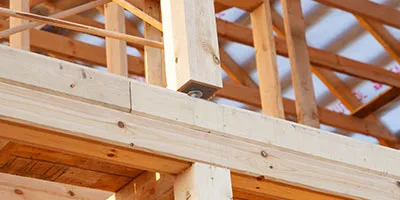
Treated pine is one of Australia’s most widely used construction timbers. It comes from fast growing softwood trees cultivated specifically for building purposes. Through pressure treatment, manufacturers inject preservatives deep into the timber fibres and make the final product. This process enhances resistance against insects, fungal decay, and moisture damage.
Hardwood, on the other hand, comes from slow growing deciduous trees such as jarrah, spotted gum, and blackbutt. These trees develop dense cellular structures over years. So, its strength, durability, and a naturally robust character resists wear without heavy chemical treatment. This natural toughness makes hardwood highly desirable for premium outdoor decking projects.
Durability and Longevity in Australian Conditions
Australian weather tests every outdoor material relentlessly. Summer heat pushes surfaces to extreme temperatures, winter rain introduces moisture stress, and coastal areas add salt exposure. Durability matters deeply under such conditions.
When it comes to longevity, hrdwood consistently outperforms treated pine. Its dense fibres resist water penetration and natural oils discourage termites. Hardwood boards also maintain structural integrity for decades. Heavy foot traffic causes minimal surface damage. Scratches blend into grain patterns over time. That is why many hardwood decks last over thirty years with just basic care. So, hardwood suits high use spaces effortlessly.
Treated pine, on the other hand, offers respectable durability through chemical protection. The preservatives slow decay and insect attack. However, the softer internal structure remains vulnerable. Repeated exposure to moisture causes swelling, shrinkage, cracking, and warping. So, treated pine decks often show wear sooner. Their lifespans average between ten and twenty years. Careful maintenance extends usability, so durability depends heavily on owner commitment.
Cost Comparison and Budget Considerations
Budget influences nearly every construction decision. Timber decking covers large surface areas, so material costs rise quickly. Hence, it’s important to look into the costs before anything else.
Treated pine stands out as the affordable option. Pine trees grow rapidly across plantations, and this abundant supply keeps prices low. Treatment adds cost but remains economical. So, this decking suits homeowners with limited budgets. Large decks become feasible without financial strain.
Hardwood commands significantly higher prices. Some factors include:
- Slow growth limits supply.
- Milling dense timber increases processing expenses.
- Transport costs rise due to weight.
- Premium appearance adds perceived value.
Typically, hardwood decking often costs double treated pine. This investment appeals to long-term planners. Higher upfront expense delivers extended lifespan and visual richness.
Aesthetic Appeal and Visual Impact
Outdoor decking shapes first impressions.
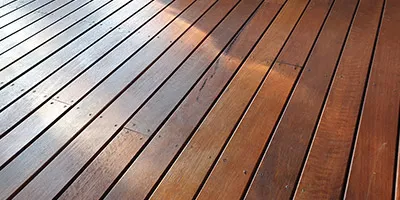
Hardwood offers striking natural beauty. Rich hues range from deep reds to warm browns, while grain patterns appear bold and organic. Sunlight enhances colour depth over time. Even weathered hardwood maintains character. As a result, luxury homes often favour hardwood over any other.
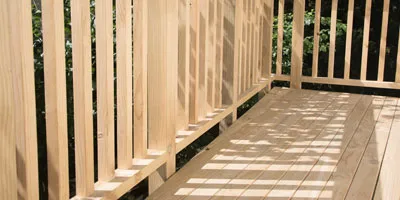
Treated pine, in contrast, appears pale and uniform. Grain patterns look subtle, but chemical treatment often gives a greenish tint. Staining also improves appearance significantly. But achieving hardwood like beauty requires effort and skill. Without treatment, pine fades to silvery grey quickly. Some homeowners enjoy this rustic look, but most find it dull. So, treated pine remains functional rather than striking.
Environmental Impact and Sustainability
Treated pine often comes from plantation grown forests. These forests regenerate quickly because of sustainable harvesting cycles. You can look for certification to ensure responsible practices. However, chemical preservatives raise environmental concerns.
Hardwood sustainability varies widely by species and source. Some Australian hardwoods, for example, face overharvesting risks. Here’s where ethical sourcing becomes critical. Certification from bodies like the Forest Stewardship Council ensures responsible forestry.
Maintenance and Upkeep Requirements
Maintenance affects time, investment and ongoing costs.
- Treated pine demands frequent attention. Soft fibres absorb moisture readily, so sealing is essential to prevent swelling or splitting. Re-staining maintains colour. If your maintenance cycles often occur every two years, you will be set.
- Hardwood requires less frequent maintenance. Dense fibres resist moisture absorption effectively, while natural oils protect surfaces. So, it’s not an issue even if the maintenance intervals stretch longer. This saves time and effort over years.
Maintenance tolerance influences material choice to a great degree. Busy homeowners lean toward hardwood, while hands-on owners accept treated pine demands.
Australian Climate Considerations
Australia presents diverse climates.
- Tropical humidity challenges timber in the north.
- Dry heat stresses timber inland.
- Coastal salt air accelerates corrosion.
So, local conditions should guide timber selection. You can also consult regional experts to add confidence.
Hardwood handles climatic extremes effectively. Dense fibres resist humidity fluctuations, natural oils combat salt exposure, and heat causes minimal distortion. Treated pine also performs adequately with protection. Coastal areas require vigilant sealing, while tropical zones demand higher treatment ratings.
As a result, climate awareness influences success.
Safety and Comfort Underfoot
Decking interacts directly with people, so safety matters greatly.
Hardwood, in this case, maintains smoother surfaces longer. Splintering occurs less frequently, and heat absorption remains moderate depending on species. Treated pine, however, heats quickly under direct sun. Soft fibres splinter with age, so regular sanding is required to reduce risk. So, barefoot comfort favours hardwood slightly.
Families with children may prefer hardwood durability, but budget-conscious households go for treated pine.
Conclusion
Choosing between treated pine and hardwood for outdoor decking involves careful evaluation. Treated pine offers affordability and accessibility, while hardwood delivers strength, beauty, and endurance. The right timber choice depends on priorities.
If you need more help in finding the right pick, you can contact us at Greenhill Timbers. We look forward to working with you.